
Ramadan 2026 Around the World: How Fasting Hours Will Differ This Year
- Mimoze Krasniqi

- Mar 4
- 1 min read
Ramadan 2026 is set to begin earlier once again, continuing its annual shift of about 10 to 12 days. This change occurs because the Islamic calendar follows the lunar Hijri system, where each month lasts 29 or 30 days. Over a 33-year cycle, Ramadan moves through every season, creating noticeable differences in fasting hours depending on the year and location.
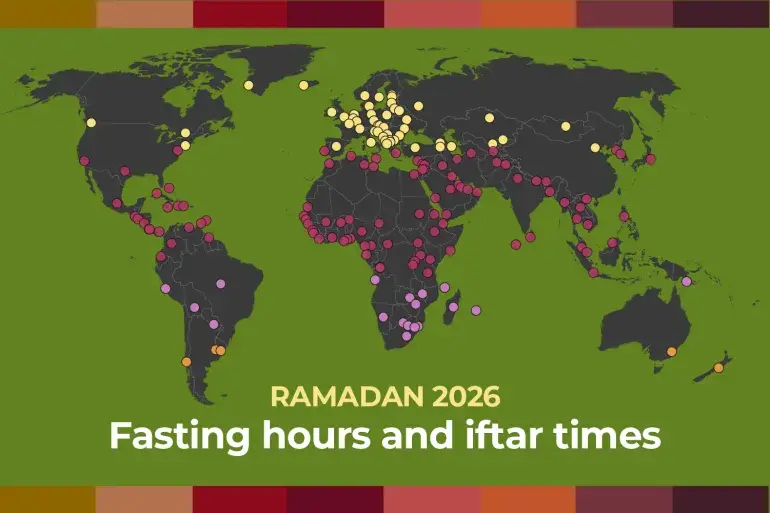
For the majority of people living in the Northern Hemisphere, fasting hours will be slightly shorter this Ramadan compared to recent years. As the month falls closer to winter, daily fasting will begin at around 12 to 13 hours on the first day in many northern countries, gradually increasing as the days lengthen. This trend will continue until 2031, when Ramadan aligns with the winter solstice the shortest day of the year in the north.
In contrast, Muslims living south of the equator will experience longer fasting hours this year. Countries such as Chile, New Zealand, and South Africa will see fasting periods ranging between 14 and 15 hours at the start of the month, with the duration gradually decreasing as the season shifts.
Because the lunar year is approximately 11 days shorter than the solar year, Ramadan continues to rotate across the calendar. A rare occurrence will take place in 2030, when the holy month will be observed twice in one Gregorian year once in early January and again in late December.
As Muslims around the globe prepare for suhoor before dawn and gather for iftar at sunset, Ramadan 2026 once again highlights the diversity of experiences shaped by geography, season, and time all united by one shared month of devotion and reflection.


Comments